What Is Satin Fabric? Understanding Weaves, Fibers & Luxury Collections
News Details
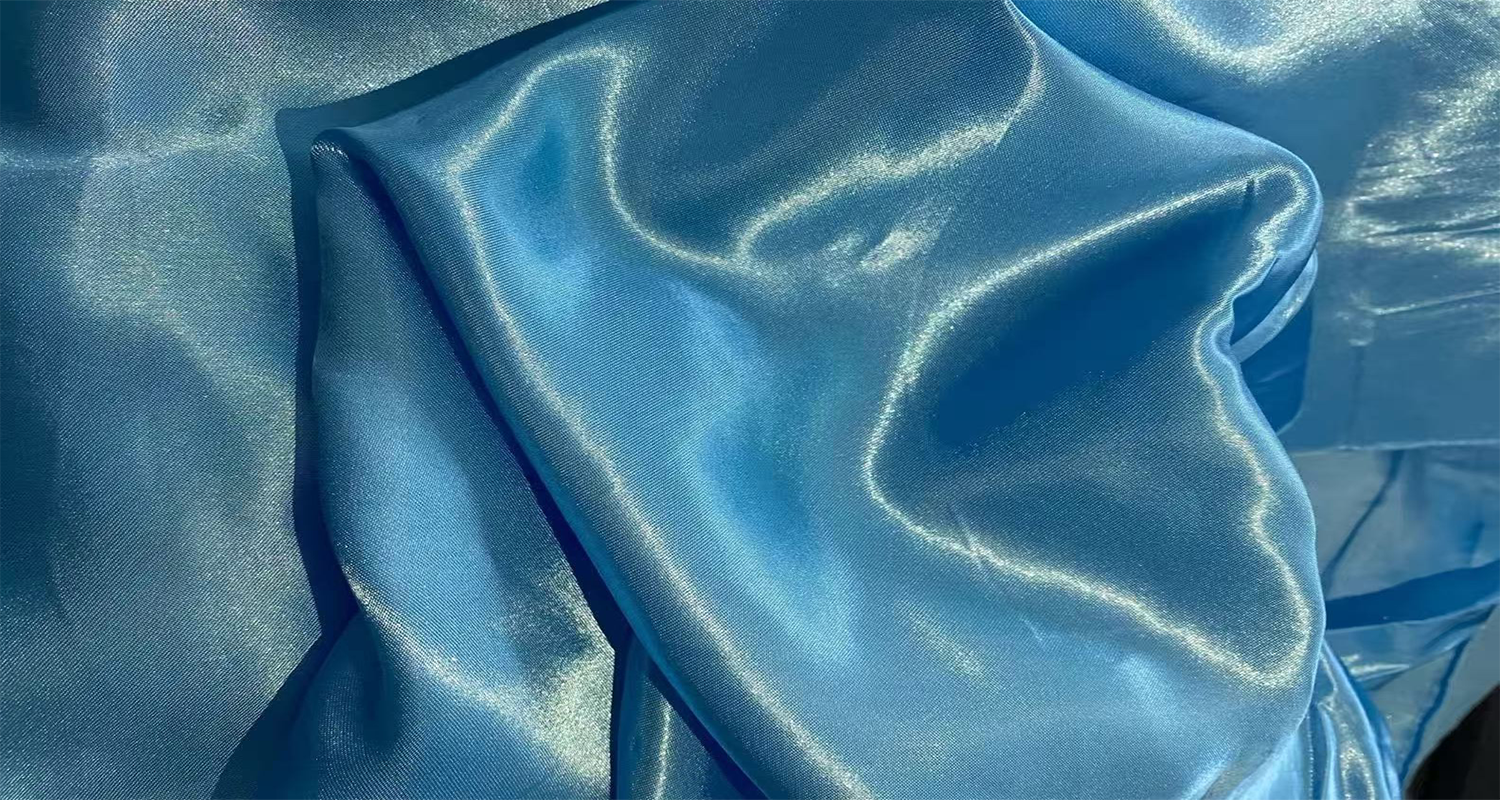
Most people misunderstand satin as a specific fabric material. In fact, satin is a weaving structure, not fiber content. Together with plain weave and twill weave, it forms the three basic textile weaves.
The biggest feature of satin weave is long floating yarns on the fabric surface. With fewer and scattered interlacing points, the yarns lie flat and smooth. This special structure creates uniform mirror reflection, bringing satin its iconic flowing, water-like gloss, different from the matte look of plain and twill fabrics.
Genuine satin has an obvious two-sided difference: the front side is glossy and silky, while the reverse side is matte and rough. Longer floating yarns enhance luster but make the fabric easier to snag.
Satin can be woven with various fibers, leading to huge quality gaps. Silk satin features soft luxury luster and skin-friendly breathability yet costs high. Polyester satin is affordable, wrinkle-resistant and easy to care for, with strong but slightly plastic shine. Rayon and cupro satin balance gloss and breathability perfectly. Cotton sateen with mild luster is mainly used for bedding.
To identify high-quality satin, always check the composition label. Gloss, crease recovery and hand feel are the most intuitive judging standards.


